Roof Restoration or Replacement: How to Make the Call
Choosing between roof restoration and replacement comes down to the condition of your roof, the extent of damage and how long you plan to keep your home. In Canberra, strong ultraviolet exposure, frosty mornings, hail and seasonal storms make regular roof inspections worthwhile. The best choice addresses the cause of deterioration, not just its appearance.
What Is the Difference?
Roof restoration retains most of the existing roof while repairing and renewing serviceable components. For tiled roofs, this may include replacing damaged tiles, repairing ridge bedding and pointing, and cleaning or applying a compatible coating where appropriate. Metal roof work may involve replacing deteriorated fasteners, repairing flashings and treating limited surface corrosion.
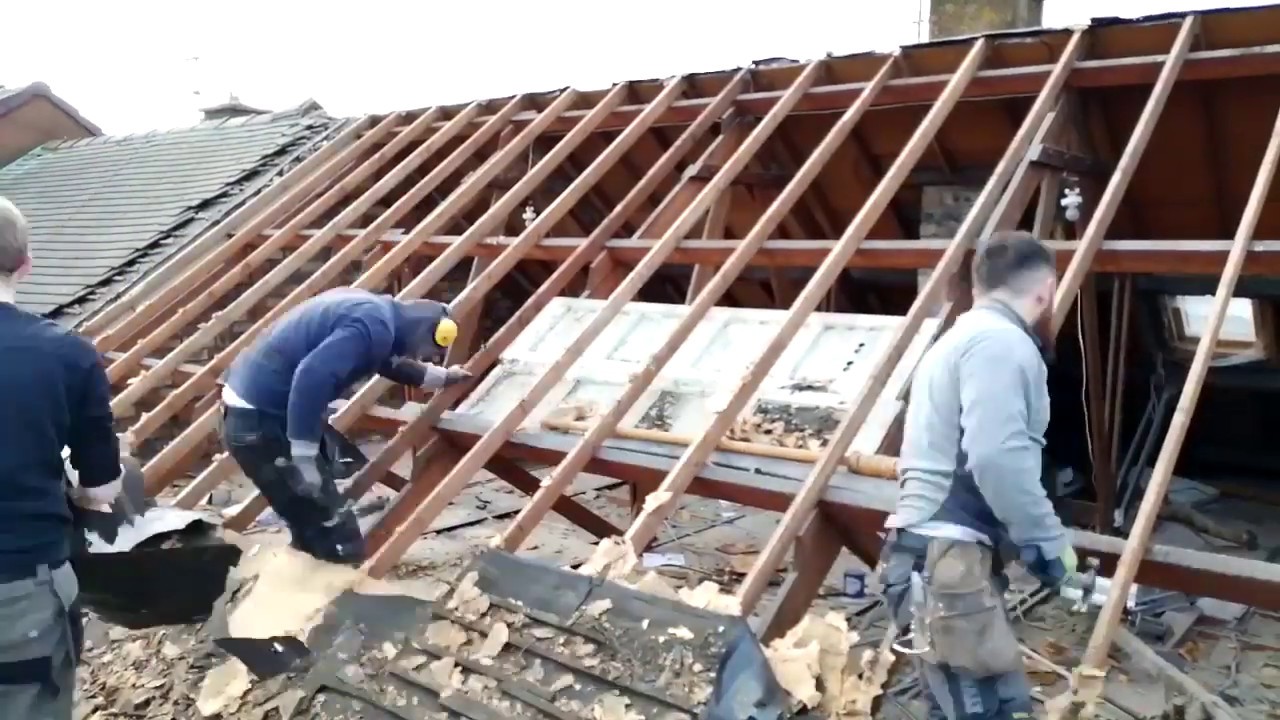
Roof replacement removes the existing roof covering and installs a new system. It also provides an opportunity to inspect accessible battens, assess roof underlay and address associated defects. Structural repairs, insulation upgrades and gutter replacement are not automatically included, so check the scope carefully.
When Roof Restoration Makes Sense
Restoration is generally worth considering when the roof covering remains largely serviceable and the supporting structure is sound. Isolated leaks or weathered finishes do not necessarily justify replacing the entire roof.

- Localised damage: A limited number of cracked tiles, loose fasteners or defective flashings can often be repaired.
- Sound underlying materials: Most tiles or metal sheets remain in suitable condition for continued use.
- Repairable ridge details: Deteriorated pointing or bedding can be addressed without replacing otherwise sound tiles.
- Mainly cosmetic deterioration: Fading may warrant cleaning or a suitable coating, but first confirm that treatment is needed.
A coating is not a substitute for repairing leaks, failed flashings or structural defects. Not all roof materials require painting, and cleaning methods must suit the substrate. Ask why each proposed treatment is necessary.
When Replacement Is the Better Option
Replacement becomes more practical when deterioration is widespread, leaks repeatedly return despite appropriate repairs, or extensive corrosion or tile failure makes restoration poor value. Sagging roof lines, damaged battens and persistent moisture in the roof space need further investigation rather than a cosmetic treatment.
Roof age is useful context, but it should not decide the outcome alone. Material quality, installation, maintenance and exposure all affect service life. Request photographs and a written condition assessment explaining which components have failed and why repair is unsuitable.
Canberra Conditions and Local Requirements
Plan for Temperature Changes and Storms
Canberra’s temperature swings can contribute to movement at joints and fixings. An inspection should check flashings, roof penetrations, valleys and drainage, as well as the main covering. After hail, damage may be difficult to assess from ground level; arrange a safe professional inspection rather than climbing onto https://rylankqzi753.sagecurrent.com/posts/what-is-roof-sarking-and-why-do-canberra-homes-need-it the roof.
Check Approvals and Material Suitability
Before changing roofing materials, confirm current requirements with ACT planning and building authorities or a building certifier. Approval requirements depend on the work and property, including any heritage constraints. Changing from a lightweight roof to heavier tiles requires assessment of the supporting structure.

If your property is in a designated bushfire-prone area, ask how applicable bushfire construction requirements affect the proposed work. Older properties may also contain asbestos-containing roofing materials. Suspected asbestos should be assessed before cleaning, drilling or removal, with licensed professionals engaged as required.
How to Compare Quotes Fairly
Compare written scopes rather than headline prices. Restoration may cost less initially, but repeated repairs can reduce that advantage if the existing roof is near the end of its serviceable life.
- Request evidence: Ask for inspection photos, identified leak sources and an explanation of the recommended solution.
- Check inclusions: Confirm allowances for flashings, underlay, battens, access equipment, waste removal and concealed damage.
- Review warranties: Separate product warranties from workmanship warranties and check exclusions and maintenance conditions.
- Verify credentials: Check relevant ACT licensing requirements, contractor credentials and insurance for the proposed work.
- Consider related work: Coordinate roofing with solar panels, gutters or insulation upgrades where this avoids duplicated labour.
Make the Decision Based on Condition
Restore a roof that is fundamentally sound; consider replacement when widespread deterioration makes repairs unreliable or uneconomical. If recommendations differ substantially, obtain an independent roof or building assessment. For Canberra homeowners, a documented inspection and clearly itemised quotes provide a stronger basis for the decision than roof age, appearance or a sales promise alone.
Canberra Roof Restoration Experts
(02) 6105 9817